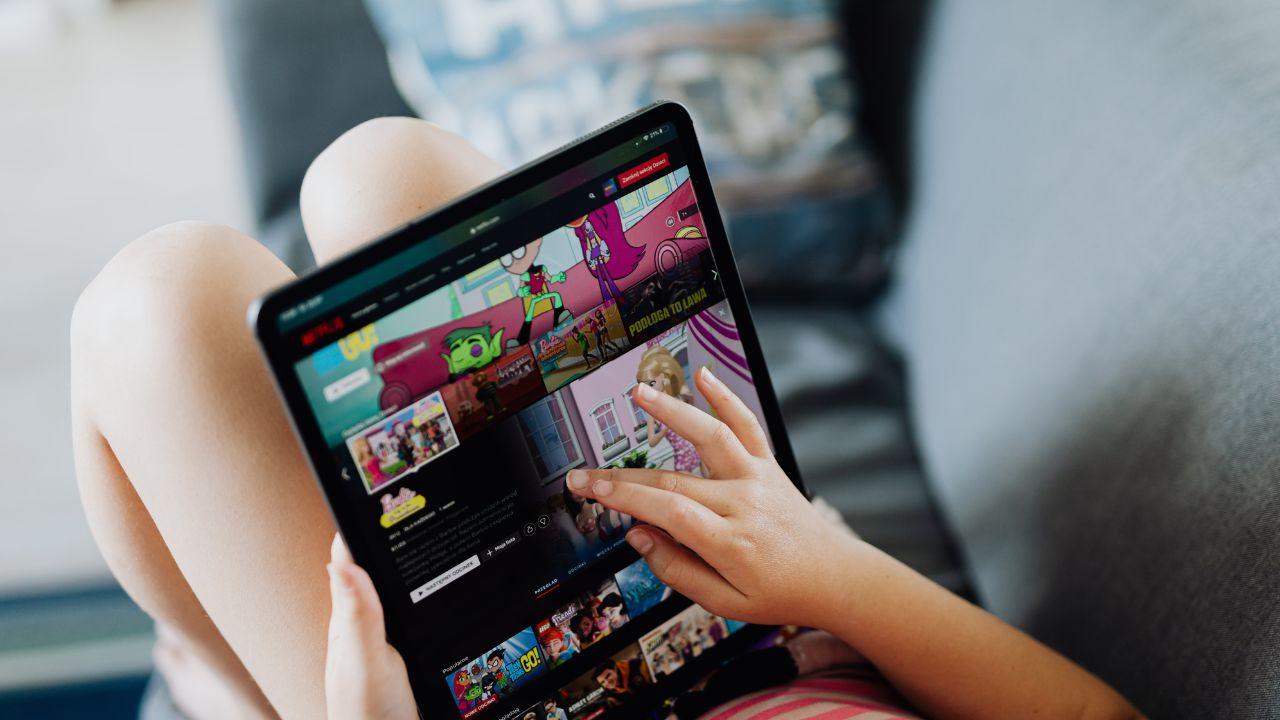
What is an OTT Platform: As we know that watching movies has completely changed, now people want to watch the latest movies from their comfort place, not from the theatre. Also, now those days are gone when television was the only source of entertainment. But now in today’s generation, users prefer watching content online through platforms like Netflix, Amazon Prime, etc. All these platforms are considered OTT, which stands for Over-the-Top.
With the help of OTT platforms, users get their favourite content directly to users over the internet, without the need for cable, and users can watch it from any place. With this change, users got the flexibility, and marketers got a new place to do their advertising. In this article, we will let you know what OTT is and how it works and how many types, and many more things.
What is an OTT Platform?
OTT stands for Over-the-Top, meaning content is delivered directly through the internet, bypassing traditional TV service providers. Whether it’s a web series, movie, live sports, or documentaries, users can access everything online using devices like smartphones, smart TVs, laptops, or tablets.
Popular examples of OTT platforms include:
- Netflix
- Amazon Prime Video
- Disney+ Hotstar
- Hulu
- SonyLIV
- Zee5
- How to Track Your Phone Location in 2026 and Find Your Android Device by using the provided methods
- Best Wallpaper for Boys and Girls 2025-26 Check out the best wallpaper for your device on Google Playstore
How Does OTT Work?
OTT services are based on internet delivery, where content is streamed through apps or websites. Here’s a simplified process of how OTT platforms work:
- Content Creation: The first step is producing content, such as movies, shows, sports events, or live broadcasts.OTT platforms often create original shows (like Netflix Originals) or acquire rights to existing movies and series.
- Content Hosting: Once content is ready, it is stored on cloud-based servers.These servers ensure that content can be accessed globally without buffering or interruptions.
- Distribution: OTT platforms use advanced technologies like Content Delivery Networks (CDNs).CDNs distribute data across multiple servers worldwide, making content available quickly and smoothly to users in different regions.
- Streaming: Instead of downloading the entire video, OTT services use streaming technology.This means content plays in real-time while data is being continuously transferred.
- User Access: Users need an internet connection and a device (mobile, laptop, or smart TV).They can watch content through OTT apps or websites by logging in.
- Monetization: Platforms earn revenue either through subscription models, ads, or a combination of both.In simple terms, OTT is like a digital library where you can pick what to watch and play it instantly without waiting.
Types of OTT Platforms
OTT platforms can be divided into several types based on how they generate revenue and deliver content.
1. Subscription Video on Demand (SVOD)
- Users pay a monthly or yearly subscription fee to access unlimited content.
- Example: Netflix, Amazon Prime Video, Disney+
- Benefits: No ads, unlimited content, exclusive originals.
2. Advertising Video on Demand (AVOD)
- Content is free for users, but they need to watch ads in between.
- Example: YouTube, MX Player (free version)
- Benefits: Free access to shows and movies.
3. Transactional Video on Demand (TVOD)
- Users pay for individual content, such as renting or purchasing a movie.Example: Google Play Movies, iTunes.
- Benefits: Pay only for what you watch, no long-term commitment.
4. Hybrid Models
- Some OTT platforms use a mix of subscription and advertising.
- Example: Hulu (offers both ad-supported and ad-free plans).
- Benefits: Flexibility for users to choose between free-with-ads or paid-without-ads.
5. Live Streaming OTT
- Platforms that focus on live broadcasts, such as sports events, concerts, or news.
- Example: Disney+ Hotstar (live cricket), Twitch (gaming).
- Each type caters to different audience needs, giving users multiple ways to enjoy content.
Why Are OTT Platforms Popular Among Users?
- Convenience: Watch anytime, anywhere, without fixed schedules.
- Content Variety: Movies, shows, sports, documentaries, and originals in multiple languages.
- Device Flexibility: Accessible on smartphones, TVs, laptops, or tablets.
- Personalization: AI-based recommendations based on viewing history.
- Affordable Plans: Different pricing models suit diverse budgets.
Why Marketers Use OTT Platforms
OTT platforms are not only popular among audiences but also highly effective for marketers. With millions of viewers spending hours on OTT apps daily, these platforms provide a great opportunity for brands to advertise and engage customers. Here are the key reasons:
1. Wider Audience Reach
- OTT platforms have global users, cutting across age groups, interests, and regions.
- Marketers can target audiences far beyond traditional TV reach.
2. Targeted Advertising
Unlike TV ads, OTT platforms use advanced data analytics.Brands can target users based on demographics, location, interests, and viewing behavior.
3. High Engagement
Viewers are more engaged because they choose what to watch.This increases the chances of ads being noticed compared to traditional TV ads.
4. Measurable Results
OTT advertising provides detailed insights like impressions, clicks, views, and conversions.Marketers can track the exact performance of their campaigns.
5. Cost-Effective Options
Advertisers can choose budgets, ad formats, and campaigns as per their needs.Even small businesses can reach targeted customers without spending huge amounts.
6. Better Storytelling
- OTT ads can be interactive, short, or long-form, giving brands creative freedom.
- This helps in building stronger brand connections with audiences.
Examples of OTT Marketing
- E-commerce Brands advertise during trending shows to attract online shoppers.
- Travel Companies place ads in lifestyle shows to target potential travelers.
- Food Delivery Apps run ads during sports events, where viewers often order snacks.
- Such examples show how brands use OTT platforms strategically to reach the right audience at the right time.
Future of OTT and Marketing
The OTT industry is growing rapidly, and experts predict it will continue to expand as internet access improves globally. With features like personalized recommendations, multilingual content, and smart advertising, OTT is expected to dominate the entertainment sector in the coming years.For marketers, this growth opens endless opportunities. As more people shift from TV to online platforms, OTT will become one of the most powerful tools for advertising and brand promotion.
Conclusion
After the launch of the OTT platforms, the way people watch content has completely changed, and it also provides flexibility, variety, and personalisation. To watch OTT platforms, users do not need to use a physical cable they just need the internet.
For marketers, OTT platforms are not just entertainment hubs, they are the best advertising place. With targeted ads, wider reach, and measurable results, marketers can connect with audiences more effectively than traditional media. In simple terms, OTT has changed both the entertainment and marketing industries, and its influence will only grow stronger in the future.